The Legacy of Ebira Weaving: When Our Heritage Was Woven by Hand
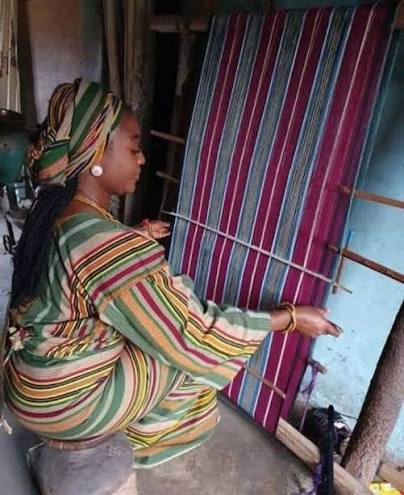
PHOTO CAPTION: An Ebira woman weaving traditional cloth on a handloom, 1951. The image offers a glimpse into the long-standing textile-weaving tradition of the Ebira people of present-day Kogi State Long before the rise of modern textile industries, the Ebira people had developed a remarkable tradition of handwoven textile production. Across communities in present-day Kogi State, weaving was not simply a means of producing clothing—it was an important part of culture, identity, craftsmanship and community life.
This historic photograph from 1951, showing an Ebira woman working on a traditional loom, provides a powerful visual record of that heritage.
A Tradition of Skilled Weaving
Historical accounts from the colonial period indicate that the Ebira were recognised for their expertise in single-loom handwoven cloth production in North-Central Nigeria.
The skill required to produce these fabrics was considerable. Using traditional looms, weavers worked carefully with threads to create cloth that was durable, distinctive and culturally meaningful. The knowledge and techniques were passed from one generation to another, preserving a craft that had become deeply connected to Ebira identity.
Contemporary references to Aso-Oke associated with Okene and Ebira Aso-Ebi now known as "Itinochi" further reflect the enduring place of woven textiles within the cultural expression of the people.
“The Best” — A Heritage Worth Remembering
Some historical accounts describe Ebira handwoven textiles as being highly regarded during the colonial era, with reports that British observers considered the quality of the cloth produced by local weavers to be among the best in the region.
Whether viewed through the lens of craftsmanship, cultural identity or economic value, such accounts point to an important truth: the Ebira people possessed a sophisticated textile tradition long before today's fashion industry.
The woman in this photograph represents more than an individual weaver. She represents generations of women whose skill, patience and creativity helped preserve an important part of Ebira heritage.
From Traditional Looms to Modern Fashion
The story of Ebira weaving should not remain confined to history books or old photographs.
Today, the global fashion industry increasingly celebrates African textiles, indigenous craftsmanship and cultural storytelling. This presents an opportunity for the rich textile heritage of the Ebira people to be documented, revitalised and introduced to new generations.
Preserving this heritage means more than remembering how our ancestors dressed. It means documenting traditional weaving techniques, supporting local artisans, encouraging young people to learn the craft and creating modern applications for traditional Ebira textiles.
What We Must Preserve
This 1951 photograph is a reminder that **our heritage has always been in our hands**.
The loom, the threads and the hands of the weaver tell a story of creativity, resilience and cultural identity. They remind us that the legacy we celebrate today was built by ordinary people whose extraordinary craftsmanship shaped the cultural history of our people.
As we look toward the future, we must ensure that the knowledge of those who came before us is not lost.
What our ancestors wove with their hands, we must preserve with our hearts, document with knowledge and carry forward with pride.
Our culture is our identity. Our heritage is our legacy. And what is woven into our history must never be allowed to unravel.
#ItinochiRevolution #LegacyOfEbiraHeritage #EbiraCulture #Anebira #EbiraHeritage #EbiraTextiles #AsoOke #Okene #CulturalHeritage
This historic photograph from 1951, showing an Ebira woman working on a traditional loom, provides a powerful visual record of that heritage.
A Tradition of Skilled Weaving
Historical accounts from the colonial period indicate that the Ebira were recognised for their expertise in single-loom handwoven cloth production in North-Central Nigeria.
The skill required to produce these fabrics was considerable. Using traditional looms, weavers worked carefully with threads to create cloth that was durable, distinctive and culturally meaningful. The knowledge and techniques were passed from one generation to another, preserving a craft that had become deeply connected to Ebira identity.
Contemporary references to Aso-Oke associated with Okene and Ebira Aso-Ebi now known as "Itinochi" further reflect the enduring place of woven textiles within the cultural expression of the people.
“The Best” — A Heritage Worth Remembering
Some historical accounts describe Ebira handwoven textiles as being highly regarded during the colonial era, with reports that British observers considered the quality of the cloth produced by local weavers to be among the best in the region.
Whether viewed through the lens of craftsmanship, cultural identity or economic value, such accounts point to an important truth: the Ebira people possessed a sophisticated textile tradition long before today's fashion industry.
The woman in this photograph represents more than an individual weaver. She represents generations of women whose skill, patience and creativity helped preserve an important part of Ebira heritage.
From Traditional Looms to Modern Fashion
The story of Ebira weaving should not remain confined to history books or old photographs.
Today, the global fashion industry increasingly celebrates African textiles, indigenous craftsmanship and cultural storytelling. This presents an opportunity for the rich textile heritage of the Ebira people to be documented, revitalised and introduced to new generations.
Preserving this heritage means more than remembering how our ancestors dressed. It means documenting traditional weaving techniques, supporting local artisans, encouraging young people to learn the craft and creating modern applications for traditional Ebira textiles.
What We Must Preserve
This 1951 photograph is a reminder that **our heritage has always been in our hands**.
The loom, the threads and the hands of the weaver tell a story of creativity, resilience and cultural identity. They remind us that the legacy we celebrate today was built by ordinary people whose extraordinary craftsmanship shaped the cultural history of our people.
As we look toward the future, we must ensure that the knowledge of those who came before us is not lost.
What our ancestors wove with their hands, we must preserve with our hearts, document with knowledge and carry forward with pride.
Our culture is our identity. Our heritage is our legacy. And what is woven into our history must never be allowed to unravel.
#ItinochiRevolution #LegacyOfEbiraHeritage #EbiraCulture #Anebira #EbiraHeritage #EbiraTextiles #AsoOke #Okene #CulturalHeritage